What is Excavation Services and how does it work?
Excavation is the digging, moving, and grading of earth to prepare a site for construction, utilities, or landscaping. For Birmingham homes, it's the first step for additions, pools, driveways, or foundation repairs.
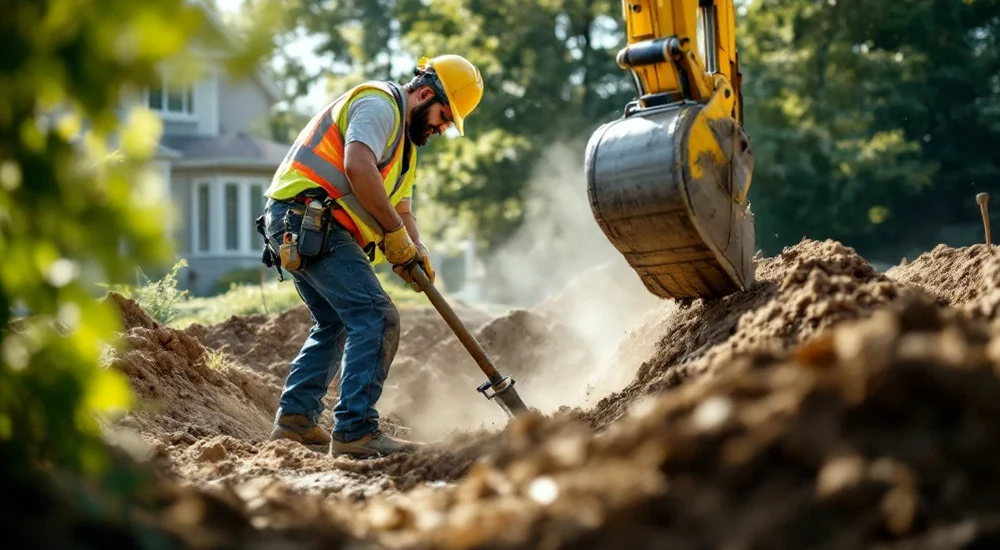
When we say excavation, we're not just talking about a guy with a shovel. It's heavy equipment work: backhoes, excavators, and skid steers that cut, fill, and shape the ground. The goal is to leave you with a level, stable base that meets local building codes and drainage requirements.
In Birmingham, the red clay and limestone bedrock make every job a little different. A crew that knows the local soil can tell you early whether you'll hit rock or if drainage will be a fight. That's where experience pays off.
Most residential excavation projects in Birmingham run between $1,500 and $6,300, depending on the size and complexity. (angi.com) Smaller jobs like a driveway or a small pad might land in the $1,200 to $2,800 range, while larger projects like a full foundation or a big grading job can stretch from $3,500 to $7,000. (birminghamgrading.com) (birminghamgrading.com)
- Excavation is the groundwork for almost any outdoor project that touches the dirt.
- It includes digging, moving soil, grading, and sometimes hauling away debris.
- Costs vary widely, so a site visit is the only way to get an accurate number.
Short version
- Excavation is the heavy lifting that makes your project possible.
- Birmingham soil and rock can change the job in a hurry.
- Typical costs run $1,500 to $6,300 for most homes. (angi.com)
- Always get an on-site quote before you commit.
How Excavation Services works, start to finish
The process starts with a site visit, then moves through marking utilities, clearing, digging, grading, and finally compaction. Each step builds on the last, and missing one can cause problems down the road.
First, we walk the property with you. We're looking at access for equipment, where the utility lines run, and what the ground is like. That visit is where we spot the things that change the price: a narrow gate, a steep slope, or a buried septic tank nobody remembered.
Before any digging, we call the local utility locator service. That's not optional. Hitting a gas line or a water main turns a $2,000 job into a $10,000 headache, and it's on us to get it right.
Then the clearing starts. Trees, stumps, old concrete, and debris all have to go. The cost of excavating land in Birmingham, including materials and labor, runs between $20.64 and $38.08 per cubic yard. (handoff.ai) That range covers everything from simple topsoil removal to hauling out rock.
After the dig, we grade the site. That means shaping the ground so water drains away from your foundation, not toward it. In Birmingham's rainy seasons, that's the difference between a dry crawl space and a flooded one.
Finally, we compact the soil. Loose dirt settles over time, and if we leave out this step, your new patio or driveway will crack within a year. Compaction is the quiet part that nobody sees but everybody feels when it's done wrong.
- Site visit.We walk the property, note access and obstacles, and give you a quote.
- Utility locates.We mark underground lines before any machine touches the ground.
- Clearing and digging.We remove what's in the way and cut the site to the right depth and slope.
- Grading and compaction.We shape the ground for drainage and pack it down so it holds.
Why Excavation Services matters for your home
Good excavation is the foundation of every solid outdoor project. It controls drainage, prevents settling, and keeps your investment from cracking or shifting years later.
Think about what happens when a driveway is laid on poorly compacted fill. Within a year, you'll see dips and cracks. The same goes for a patio or a pool deck. The surface looks fine at first, but the ground underneath is still moving.
In Birmingham, the clay soil expands when wet and shrinks when dry. That movement is why so many foundations here have issues. Proper excavation and grading give your structure a stable base that can handle that shifting.
Drainage is another big one. If the ground slopes toward your house, water pools against the foundation. Over time, that leads to basement leaks, cracked walls, and mold. A good grading job directs water away, and that's money saved on repairs later.
We've seen homeowners try to save a few hundred bucks by not excavating and pouring concrete right on the dirt. It never ends well. The ground settles, the concrete cracks, and they end up paying twice as much to tear it out and start over.
The per-cubic-yard cost range of $20.64 to $38.08 might seem like a lot, but it's a fraction of what a foundation repair or a driveway replacement costs. (handoff.ai)
Trying to save a few hundred dollars by not excavating properly is the most expensive mistake a homeowner can make.
Common problems and what causes them
Most excavation problems come from poor planning, bad soil conditions, or a crew that cuts corners. Knowing what can go wrong helps you ask the right questions before you hire.
The most common issue we see is water pooling where it shouldn't. That happens when the grading is off by just a few inches. It doesn't take a big mistake to cause a wet basement or a muddy yard.
Another frequent problem is settling. If the soil isn't compacted properly, or if the crew used fill that wasn't suitable, the ground will sink. That shows up as cracks in driveways, patios, and even foundations.
Hitting unexpected rock is a classic Birmingham surprise. The limestone bedrock here can turn a routine dig into a blasting job. That's why our quotes are based on a site visit, not a phone call. We'd rather tell you about the rock before we start than hand you a surprise bill.
Some outfits underbid by promising a flat rate over the phone, then they cut corners to make it work. They might not compact the soil or might leave the grading sloppy. We've seen the results: callbacks, lawsuits, and homeowners who paid twice.
The fix for most of these problems is simple: hire a crew that does the job right the first time. Ask about their equipment, their experience with Birmingham soil, and whether they haul away debris or just bury it. And get everything in writing.
Minor grading issues
A low spot in the yard that holds water after rain. Usually fixable with a small regrade.
Settling or cracks
Cracks in a new driveway or patio within the first year. This means compaction was not done or fill was poor.
Water against the foundation
If water pools against your house, you're looking at basement leaks and structural damage. Fix this before the next big rain.
Sources
Need excavation services in Birmingham? Get a free estimate today.
📞 256-857-3227